The Great Spotted Woodpecker is 22-23 cm long, with a 34-39 cm wingspan. Males have a crimson spot on the nape, which is absent in females and juvenile birds. Despite its contrasting plumage, the Great Spotted Woodpecker is often an inconspicuous bird.
The nesting hole, is 5-6cm in diameter, neat and round, is bored in soft or decaying wood horizontally for a few inches, then perpendicularly down. At the bottom of a shaft, usually from six to twelve inches in depth, a small chamber is excavated and lined with wood chips.
This woodpecker shows no marked preference for particular tree. The creamy-white eggs are laid in May. When hatched, the young cluster at the mouth of the hole and keep up a continuous chatter when the parents are feeding them, but when alarmed slip back into the hole. The nest hole is rarely used by the same bird again, but often other holes are bored in the same tree.
The drumming sound produced by the woodpecker is from the correct frequency of knocks (10-40 strikes per second) to make the timber resonate, they avoid getting a headache by having shock-absorbent tissue at the base of the skull. Their diet is mainly insects hidden under bark or in dead wood, but also tree seeds and birds' eggs.
Weight
80g
Fledging
20-24 days
Incubation
14-16 days
Clutch Size
4-6 eggs
Egg Weight
5.7 g
Recorded Age
10 years, 9 months
Egg Size
27x20 mm
First Record
10th Century
Habitat
Forest, woodland, towns
Lifespan
2 years
Wingspan
34-38 cm
Length
22- 23 cm
Status in UK
Resident Breeder / scarce visitor
Conservation Status UK
Green
Number in Britain
82,000
First clutches laid
Early May
Number of broods
1
First Breeding
1 year
£19.00
£13.95
£13.95

£18.70
£55.96 £93.16

£57.72 £63.50

£20.24

£61.99 £90.43
£109.95

£11.99

£22.36
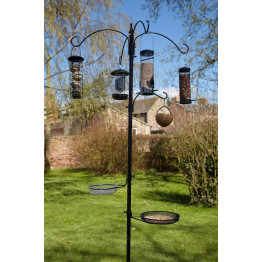
£39.95
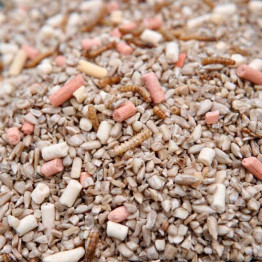
£19.67

£11.99