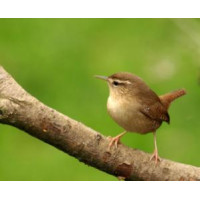
The Wren is an abundant bird in the British Isles. It is the commonest UK breeding bird, although it does suffer decline during prolonged, severely cold winters.
It is a similar size to the Dunnock, but the Wren has a perky tail and is less grey than the Dunnock. It is only slightly larger than the smallest bird in Europe, the Goldcrest.
Diet consists of, insects, beetles, and spiders, the Wren usually feeds close to ground. The song is a powerful voice for such a small bird. They sing from the lower branches, unlike the other song-master, the Robin who will perch on high brows to display his song.
The male builds several nests, each with a side entrance, and when the female has selected which one she prefers, he lines it for her to lay her eggs.
Habitat
Forest, woodland, undergrowth
Maximum Recorded Age
6 years, 8 months
Typical Lifespan
2 years
Fledging
15-18 days
Incubation
16-18 days
Clutch Size
5-6 eggs
Egg Weight
1.3g
Egg Size
16x13 mm
First Record
8th Century
Age at First Breeding
1 year
Wingspan
15 cm
Weight
10g
Length
10 cm
Status in UK
Resident Breeder, Passage/Winter Visitor
Conservation Status UK
Green
Number in Britain
15 million
First clutches laid
Early May
Number of broods
1
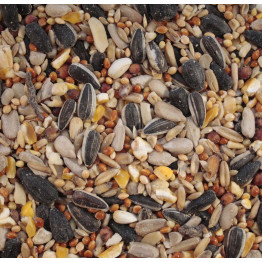
£17.86
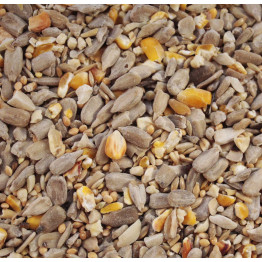
£19.00
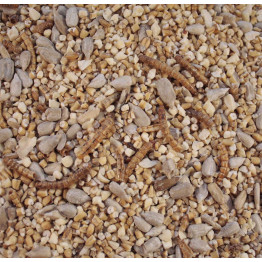
£20.24
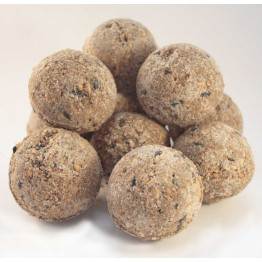
£20.50

£22.36
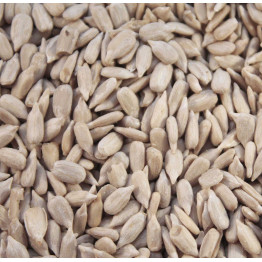
£17.09
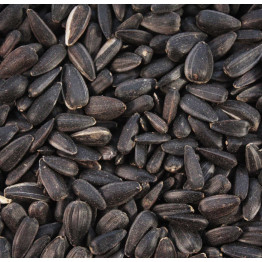
£13.20
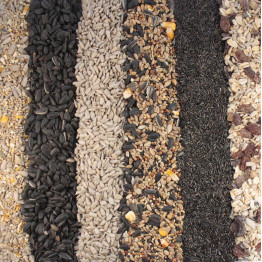
£55.96 £93.16
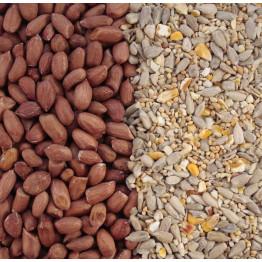
£57.72 £63.50
£20.24
£20.24
£20.24

£61.99 £90.43

£24.99

£45.95
£9.99
£19.95
£19.95
£17.84
£19.95

£17.95
£23.95